🚨 The Next iPhone-Level Tech Shock Is Coming — And Almost Nobody Is Ready
🚨 The Next iPhone-Level Tech Shock Is Coming — And Almost Nobody Is Ready
Every decade or so, a technology lands that doesn’t just improve life — it rearranges it. The smartphone didn’t just replace flip phones. It replaced cameras, maps, music players, boarding passes, newspapers, and even how we date and work. Most people didn’t see it coming until it was already in their pocket.
Right now, the signals are flashing again.
Several breakthrough technologies are converging at once — and one of them is about to trigger the next massive platform shift. Here are the three strongest candidates.
🤖 AI That Doesn’t Just Answer — It Acts
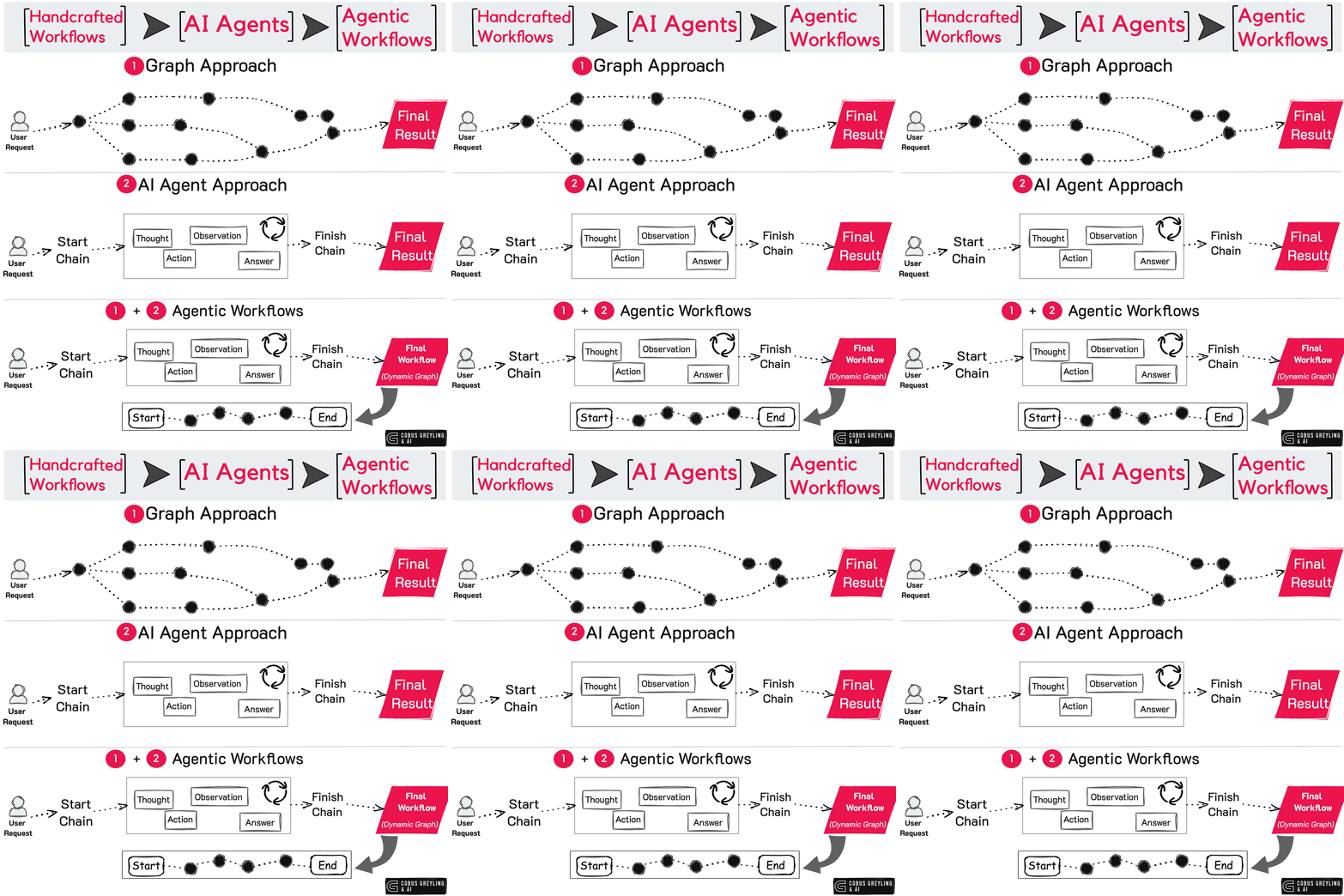
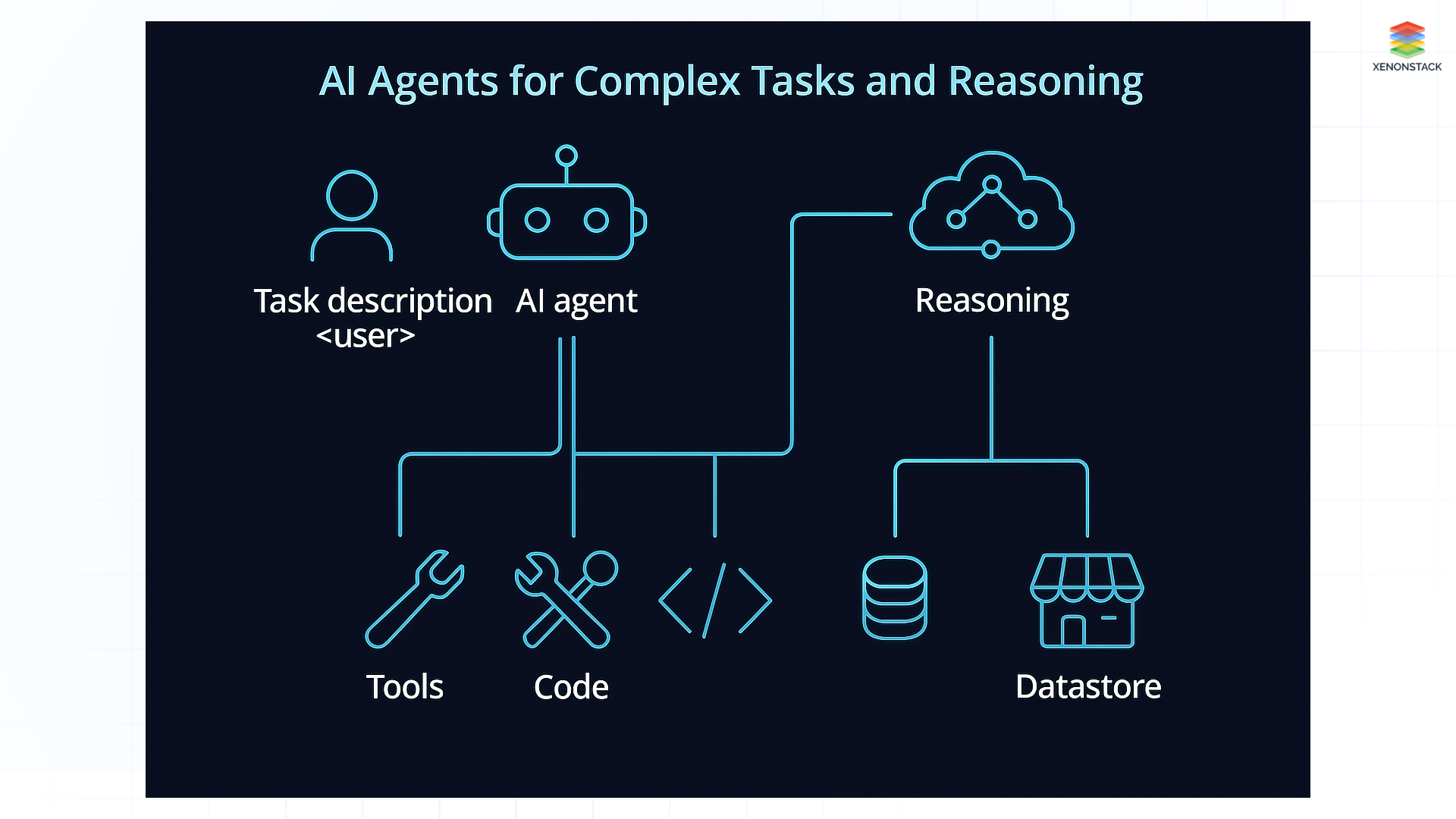


Today’s AI writes, summarizes, and suggests. The next generation will execute.
Instead of asking software for help, you’ll assign outcomes:
Plan and book full trips
Run marketing campaigns
Manage finances
Edit and publish media
Operate business workflows
These systems won’t be chat tools — they’ll be digital operators. When AI moves from “assistant” to “agent,” productivity jumps non-linearly. That’s not an app upgrade. That’s a labor model change.
👓 The Screen-Killer: Spatial & Augmented Reality

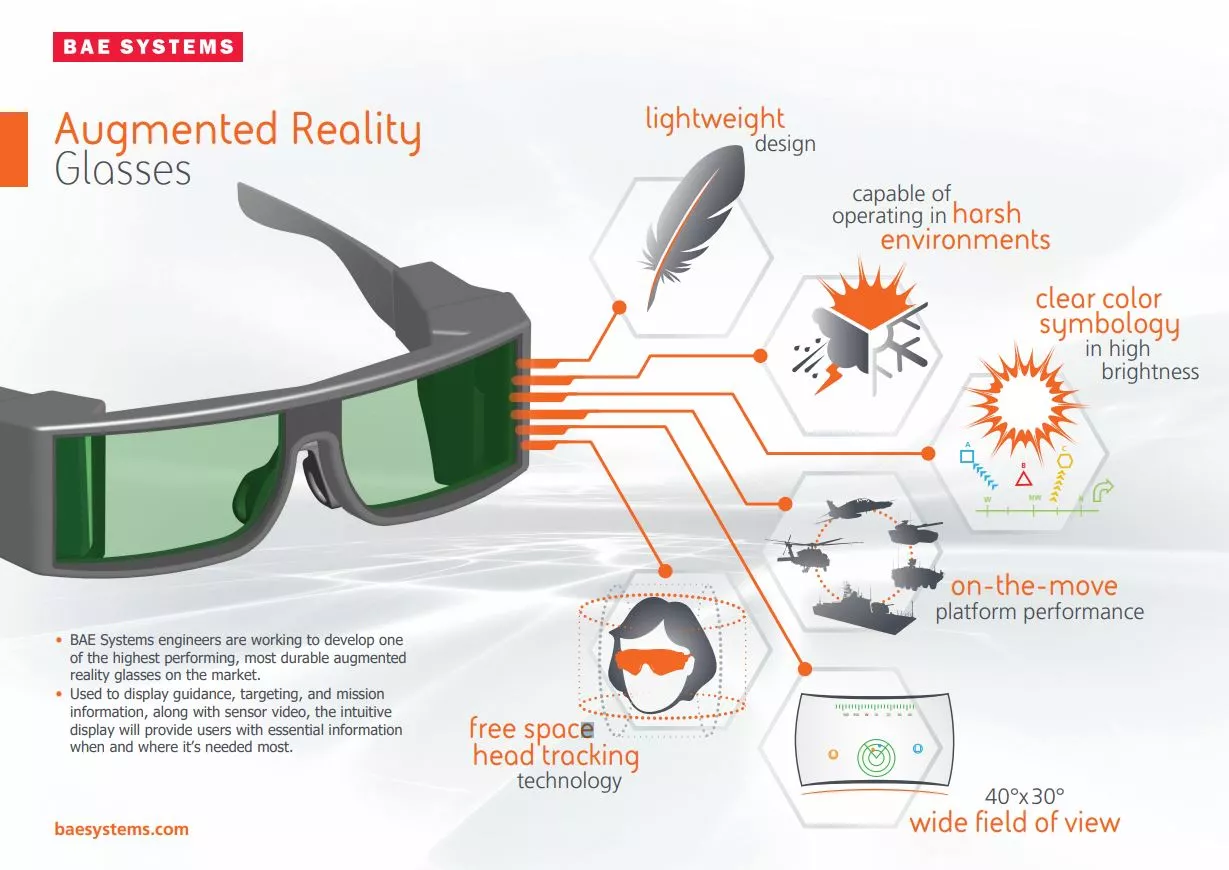

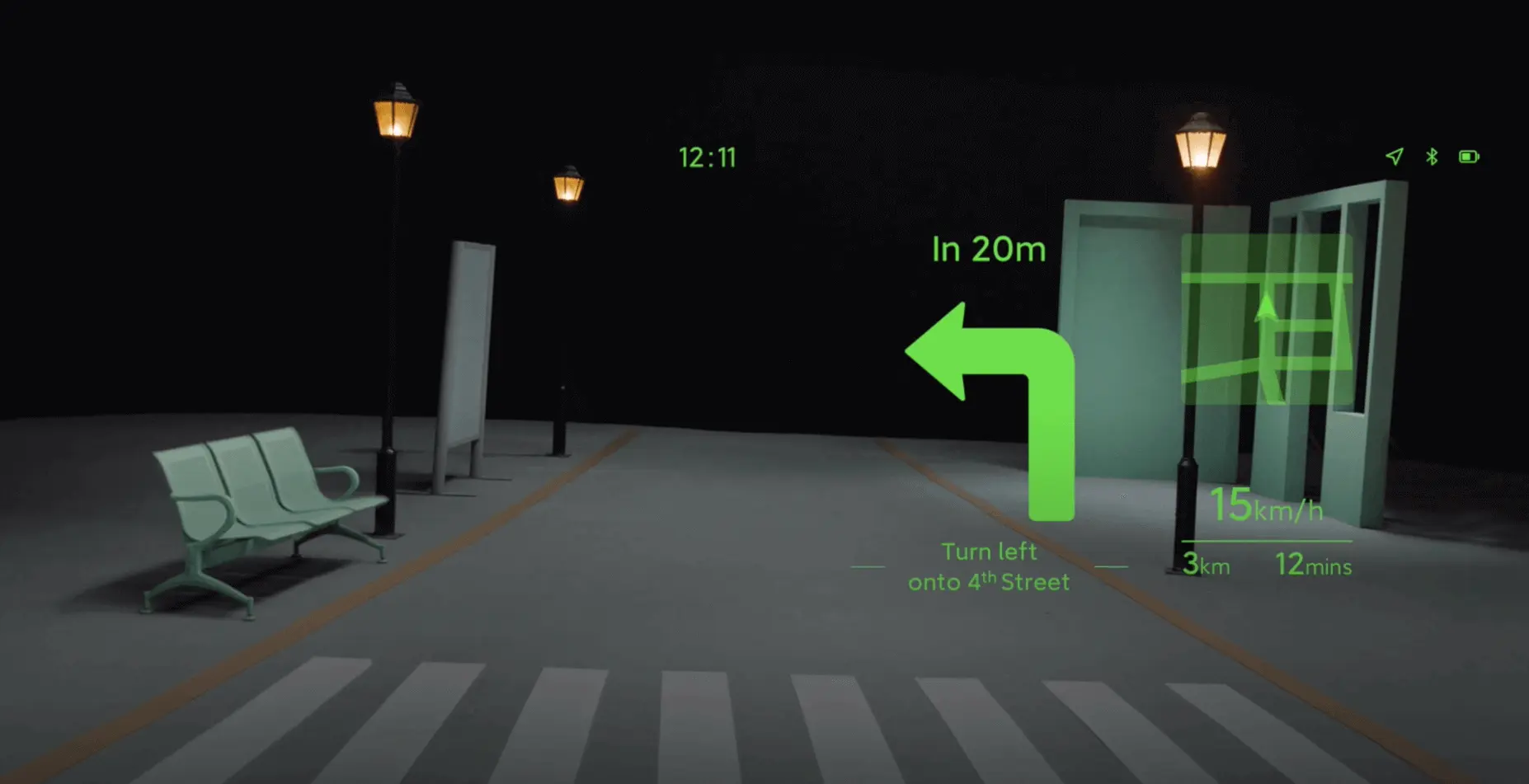
Phones replaced PCs for many daily tasks. The next leap may replace screens altogether.
Headsets and glasses are rapidly evolving toward:
All-day wearability
Real-world overlays
Persistent digital workspaces
Hands-free control
Navigation, instructions, communication, and data will appear directly in your field of view. When displays leave your hands and enter your environment, interface design resets from zero.
🧠 Direct Brain Interfaces Are No Longer Science Fiction


Companies like Neuralink are already testing brain-computer interfaces in humans for medical use. Early goals focus on restoring movement and communication — but the long-term implications are far bigger.
Direct neural input could eventually allow:
Thought-to-text control
Device control without touch
New accessibility superpowers
Entirely new software paradigms
It starts as medicine. It often ends as mainstream technology.
⚡ Why the Breakthrough Will Feel Sudden
Platform shifts look slow — until they aren’t. Years of quiet progress stack up behind the scenes. Then one product crosses the usability threshold, and adoption goes vertical.
That’s how the iPhone happened. That’s how the web happened. That’s how AI agents, spatial computing, or neural interfaces could happen next.
The pattern is consistent:
First it’s mocked → then it’s niche → then it’s everywhere.
The only real question is which trigger pulls first — autonomous AI, wearable AR, or neural control. Whichever wins won’t just launch a product.
It will launch a new normal.

Comments
Post a Comment