The Quiet Advantage: Why Mindful Meditation Actually Works


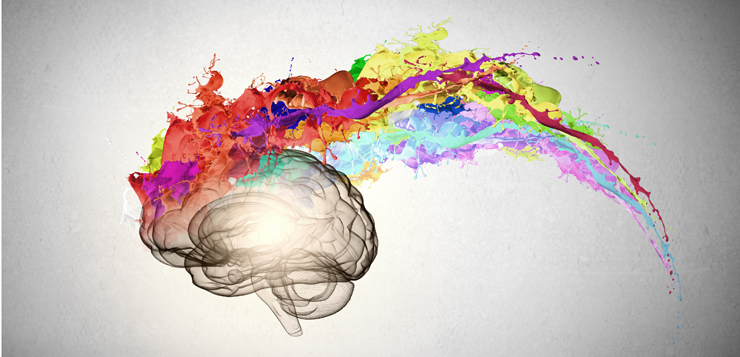
We live in a world engineered to hijack attention. Notifications, feeds, outrage cycles—every system wants a slice of your mind. Mindful meditation is one of the few tools that gives it back.
Not by escaping reality, but by seeing it clearly.
Mindful meditation is simple: pay attention to the present moment without judging it. Breathing, sensations, thoughts as they come and go. No mantra required. No mystical robes. Just awareness, trained like a muscle.
And muscles get stronger when you use them.
A Brain That Learns to Pause


Meditation doesn’t delete thoughts. It changes your relationship with them.
Over time, the brain becomes better at noticing a thought before it drags you along for the ride. Stress still shows up—but it loses its authority. You gain a pause between stimulus and reaction. That pause is power.
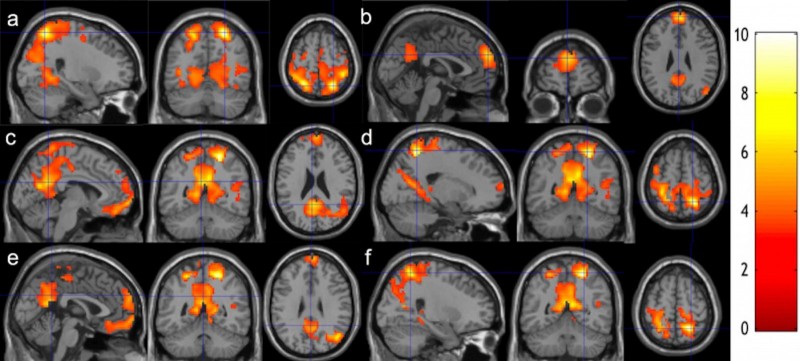
Studies consistently show reduced activity in the brain’s threat system and improved regulation in regions tied to focus and emotional control. Translation: fewer knee-jerk reactions, more deliberate choices.
Calmer doesn’t mean passive. It means precise.
Focus Without Force

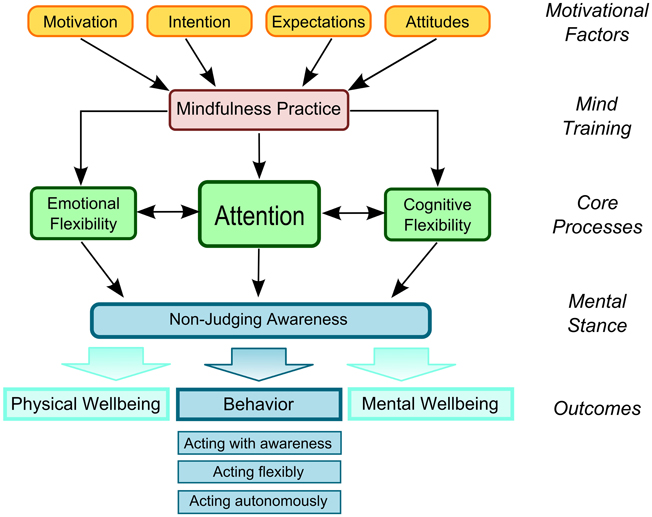

Most people try to focus by pushing harder. Meditation teaches the opposite approach: return gently, again and again.
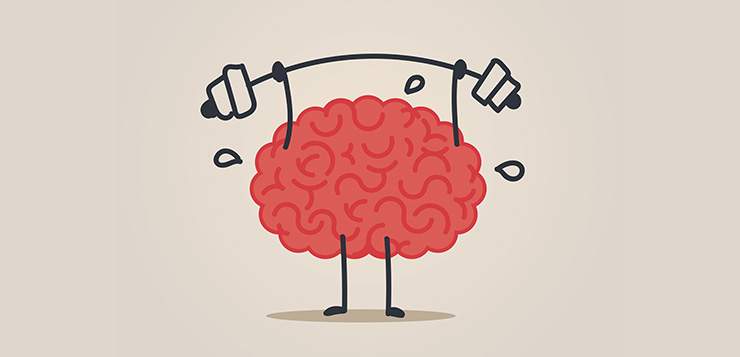
This retrains attention the way lifting retrains strength—small reps, consistent effort. Over time, focus lasts longer and wanders less. Tasks feel less draining because your mind stops fighting itself.
You’re not multitasking better. You’re multitasking less.
That’s the upgrade.
Stress That No Longer Runs the Show
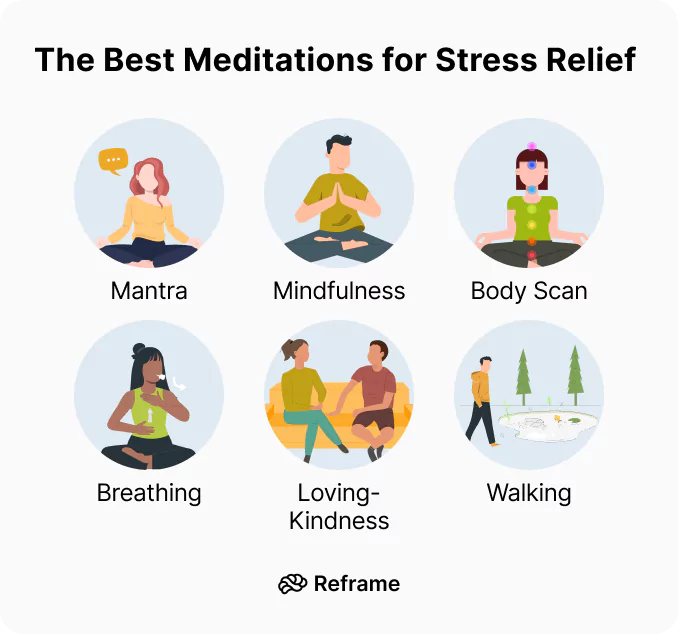

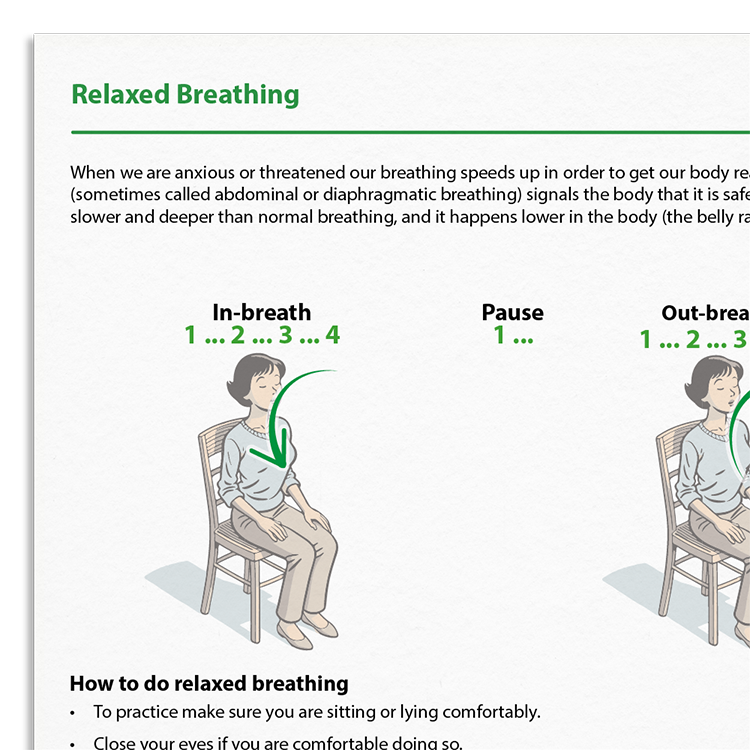

Stress isn’t just a feeling—it’s a physiological state. Elevated heart rate, shallow breathing, a nervous system stuck in high alert.
Mindful meditation activates the body’s natural “stand down” signal. Breathing slows. Muscles unclench. The nervous system recalibrates.
Over time, baseline stress drops. You still face pressure—but you recover faster. Life stops feeling like a constant emergency.
The body remembers what calm feels like.
Emotional Intelligence, Upgraded



Meditation doesn’t numb emotions. It clarifies them.
You begin to notice patterns—what triggers irritation, what fuels anxiety, what lifts mood. This awareness creates choice. You respond instead of react. Conversations improve. Conflict softens. Self-talk becomes less hostile.
It’s not about being “zen.”
It’s about being honest with yourself without flinching.
That honesty compounds.
The Long Game: Mental Durability
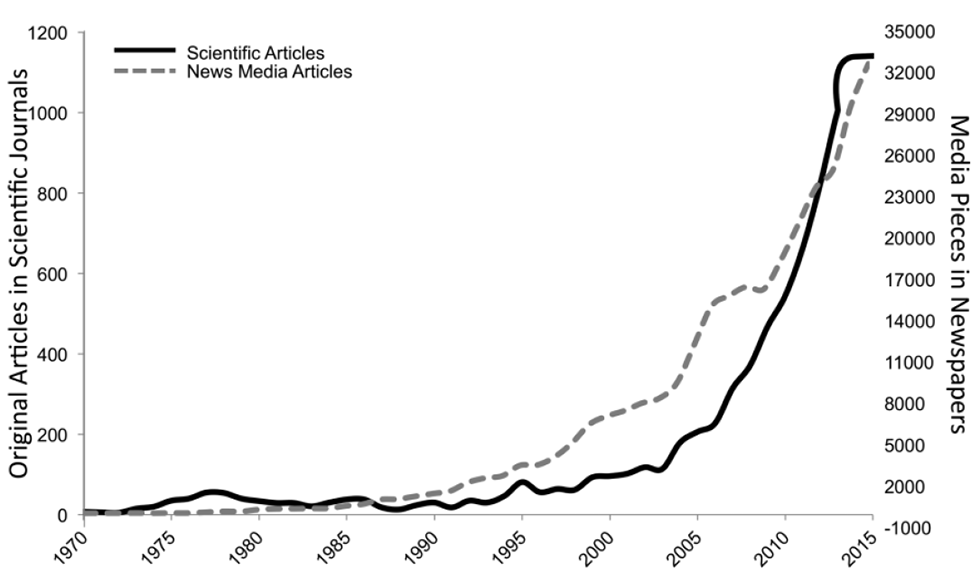



Mindful meditation is boring in the best way. No instant fireworks. No hacks.
But practiced over months and years, it builds something rare: mental durability. The ability to stay present during discomfort. To think clearly under pressure. To meet uncertainty without panic.
In a future moving faster and louder, this may be one of the most valuable skills a human can develop.
Stillness isn’t weakness.
It’s structural integrity for the mind.
A Simple Place to Start
Five minutes. Sit or stand. Breathe naturally. When the mind wanders—notice it, return. That’s it.
No score. No failure. Just reps.
And like any real training, the benefits show up quietly—until one day you realize you’re handling life better than you used to.
That’s not magic.
That’s practice.

Comments
Post a Comment