Over the Hill and Into the Engineered Future
Over the Hill and Into the Engineered Future
What Today’s Technology and Materials Science Already Make Possible


Stand at the top of the hill for a moment and look forward. The story of civilization is not flattening out — it’s bending downward into acceleration. We are entering an era where the limits are no longer defined by imagination first, but by materials science: what we can build, shape, grow, and engineer at the atomic and molecular level.
The surprising part is this: many of the “future” capabilities people talk about are not science fiction anymore. They are engineering problems with partial solutions already working in labs, factories, and pilot programs. The gap is scale, cost, and refinement — not basic possibility.
Let’s walk through what is already possible using technologies and materials we know work today.
Smart Materials Are Changing What Objects Can Be
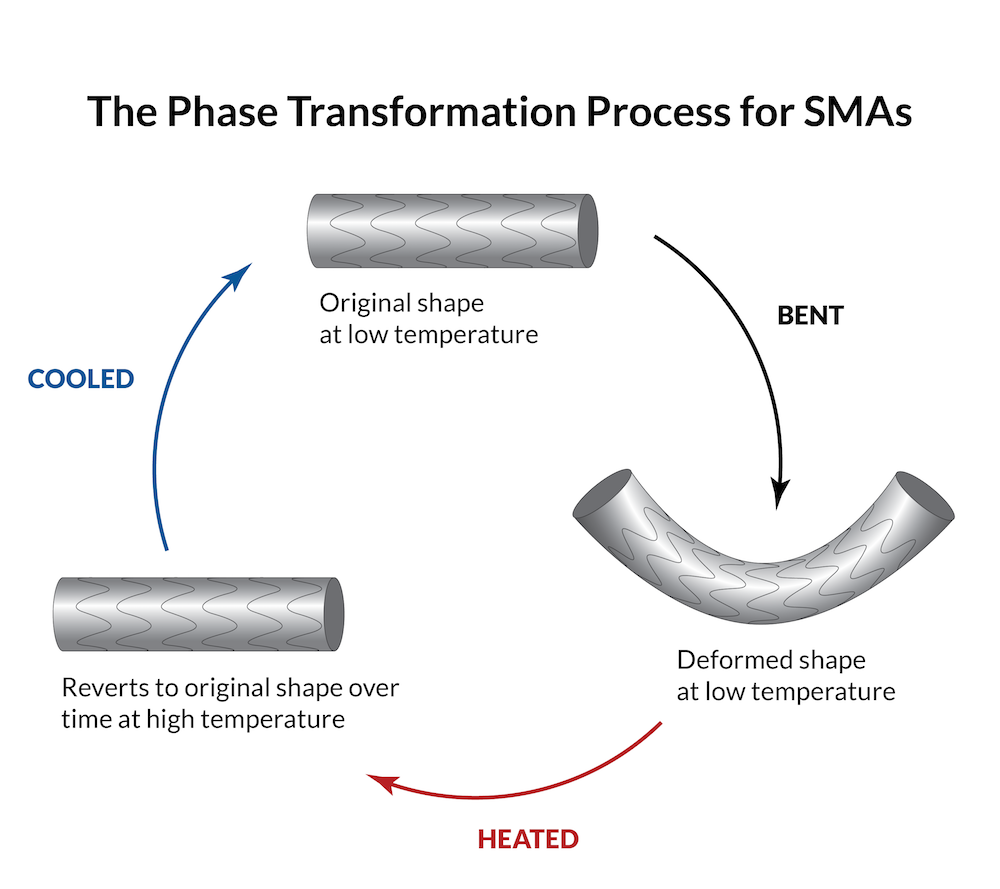
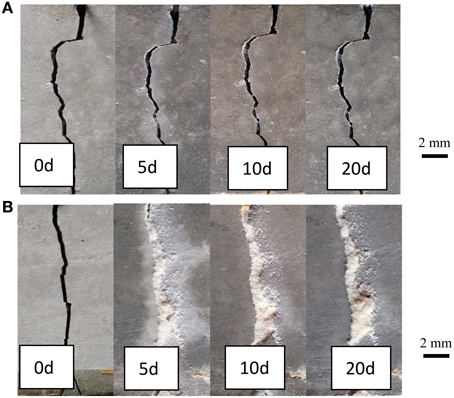
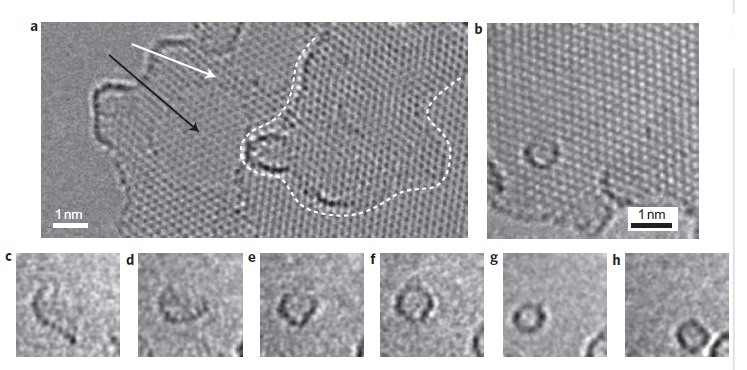

Materials are no longer passive. They can respond, adapt, and repair.
Shape-memory alloys return to their original form after bending. Self-healing concrete uses embedded compounds that react with water and seal cracks. Graphene — a one-atom-thick carbon lattice — is already used in specialty electronics, sensors, and composites. Engineered metamaterials can bend light and vibration in unusual ways, enabling better antennas, sensors, and shielding.
What this makes possible now:
Aircraft and vehicles that self-monitor structural stress
Buildings that last longer with less maintenance
Electronics that are thinner, stronger, and more conductive
Sensors embedded directly into infrastructure
The trend is simple: matter itself is becoming programmable.
Energy Is Getting Smaller, Denser, and Smarter

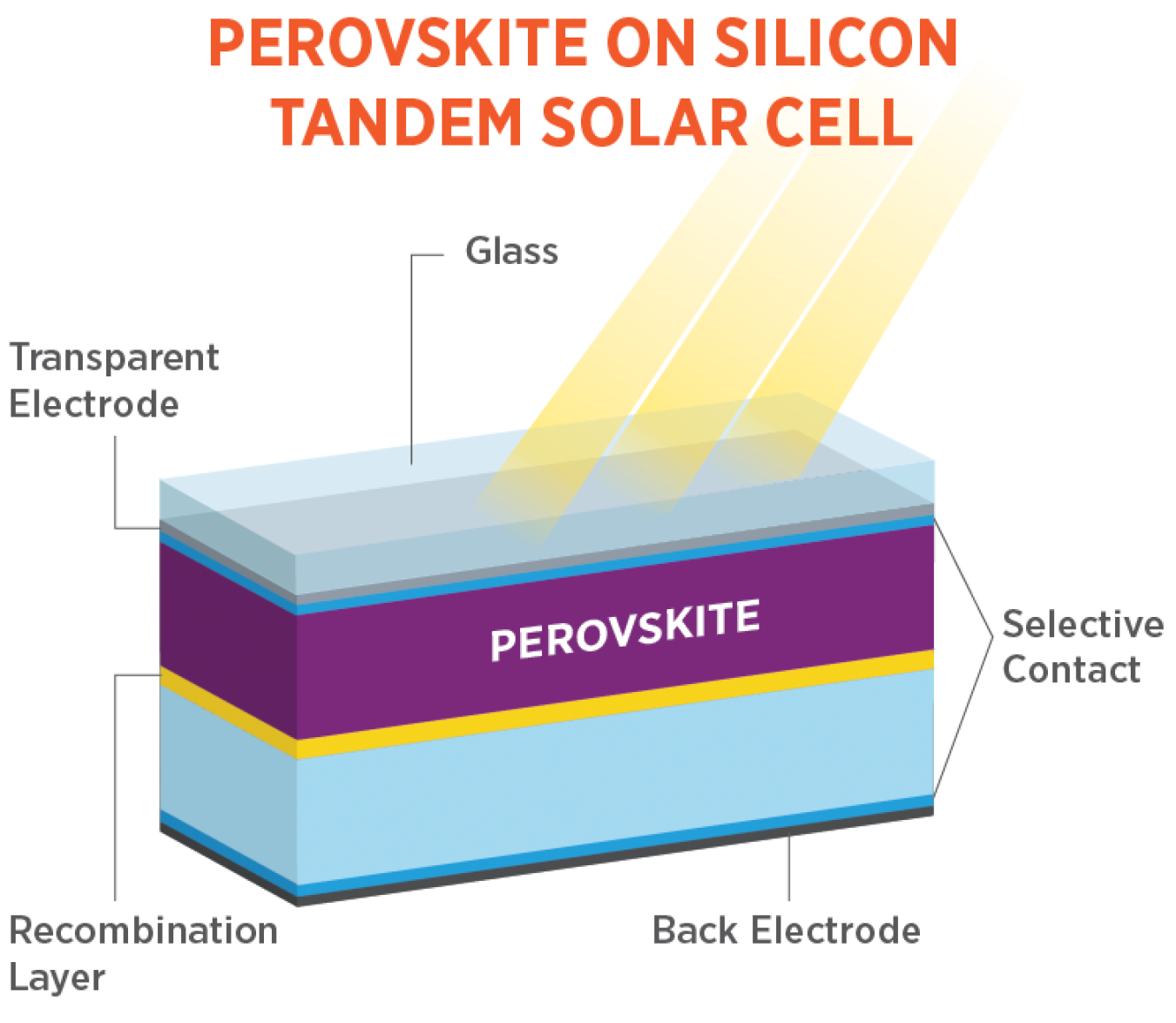
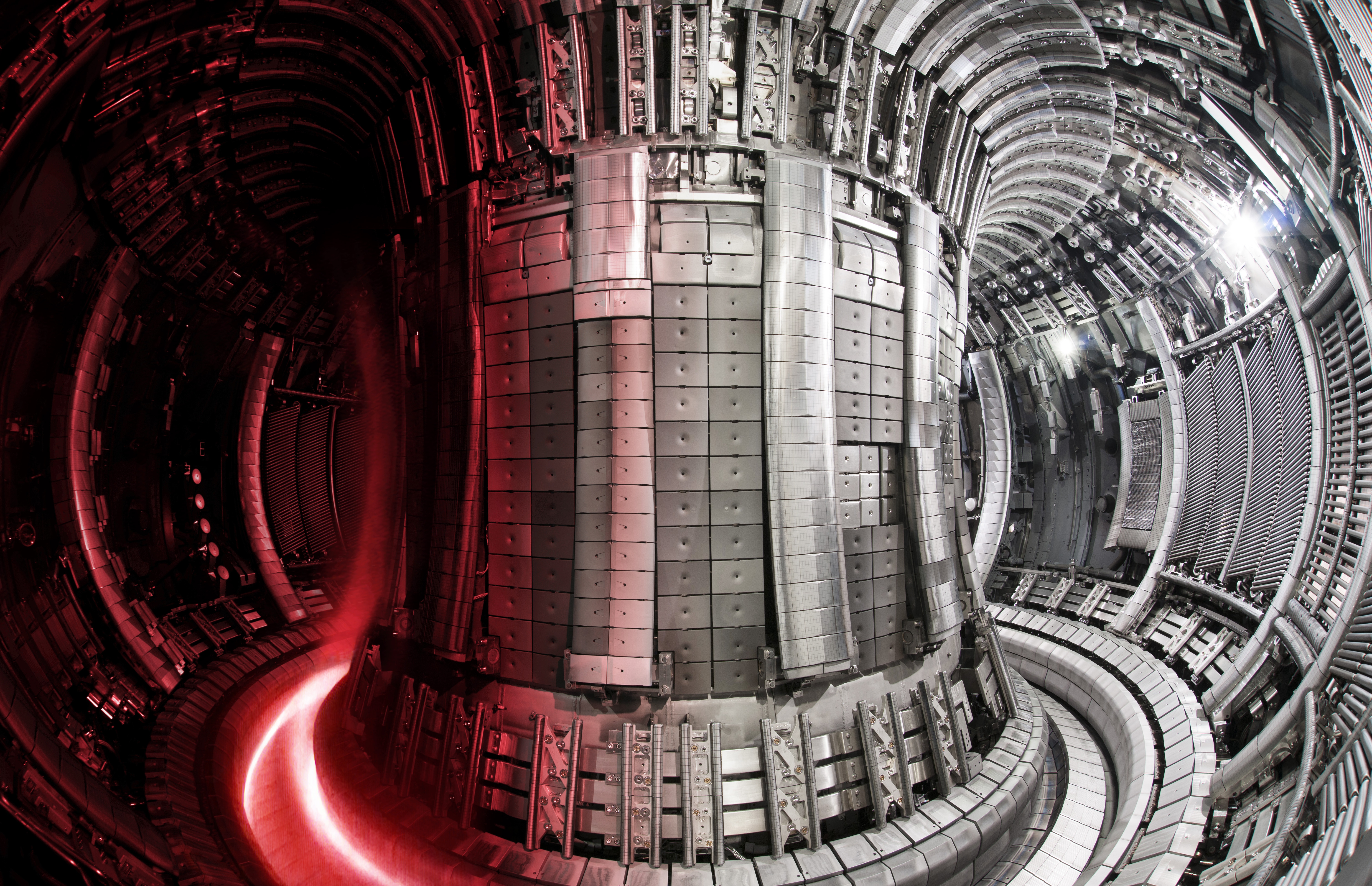
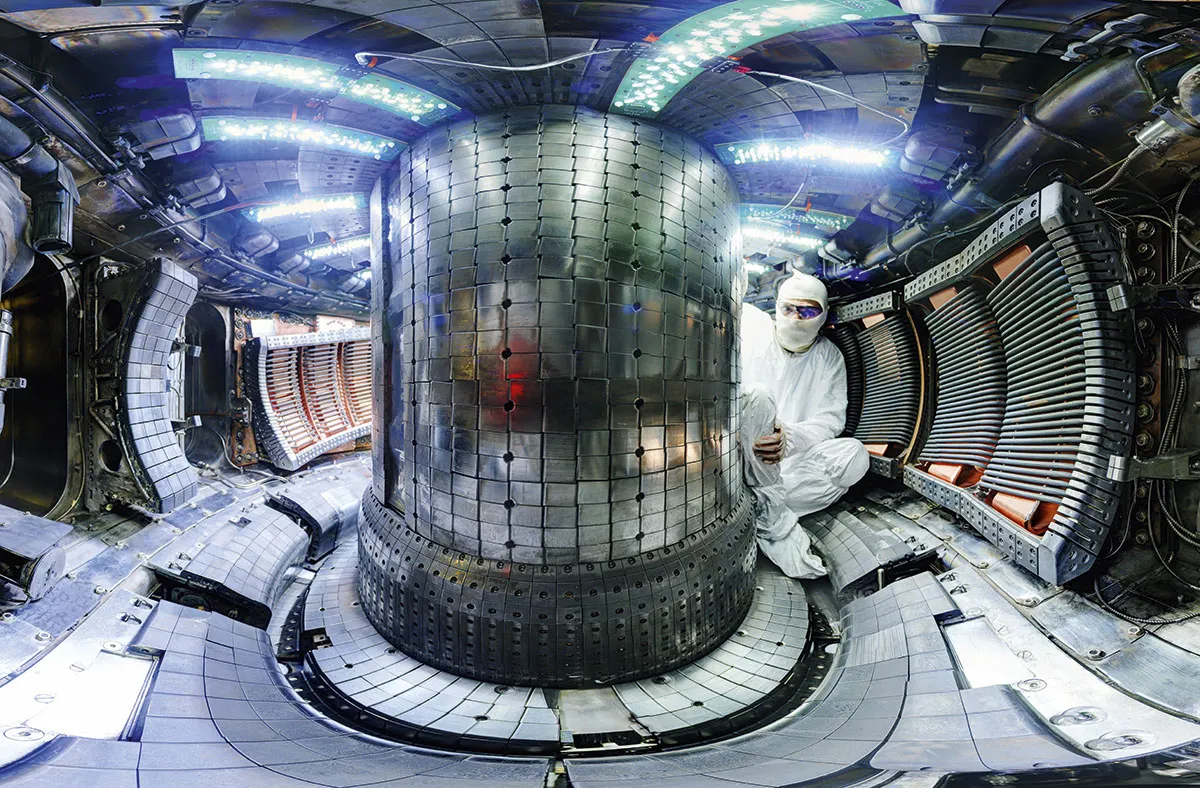
Energy technology has moved from brute force to precision engineering.
Solid-state batteries already function and offer higher safety and energy density than conventional lithium-ion designs. Perovskite solar cells are achieving high efficiencies in research settings and are moving toward commercial durability. Grid-scale battery storage is now widely deployed to stabilize renewable power. Experimental fusion systems have achieved net energy events in controlled tests, even though commercial fusion is still in development.
What this makes possible now:
Longer-range electric vehicles
Off-grid homes with reliable storage
Portable high-capacity power systems
Cleaner industrial energy mixes
Energy abundance is increasingly an engineering challenge, not a physics mystery.
Manufacturing Is Becoming Digital and Local
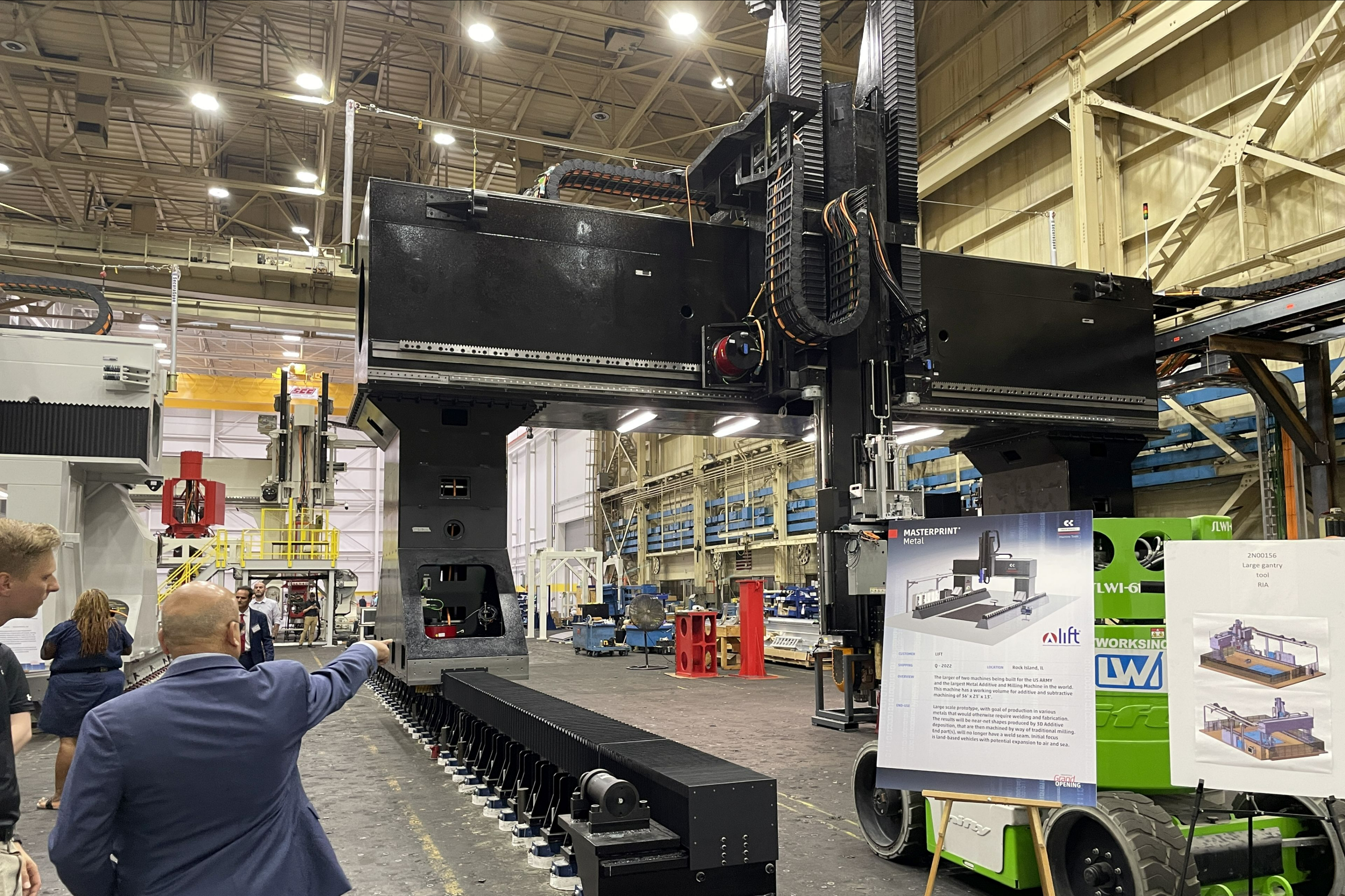
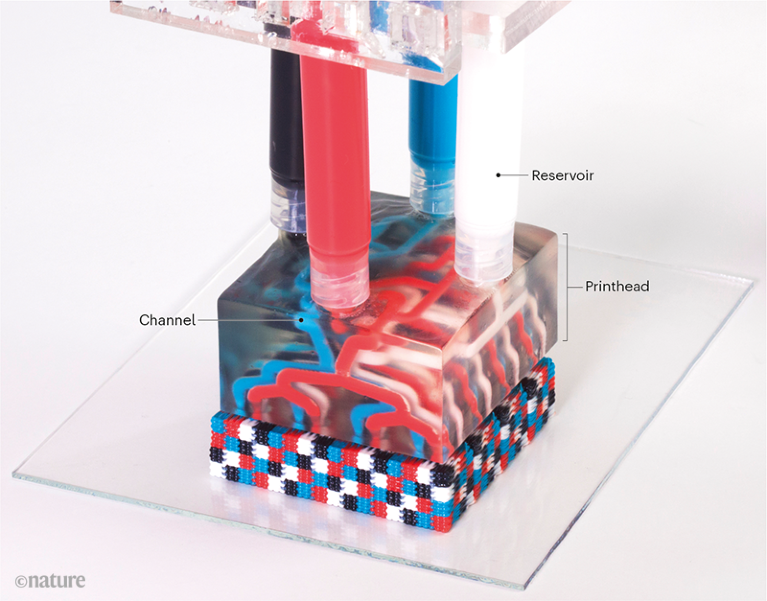
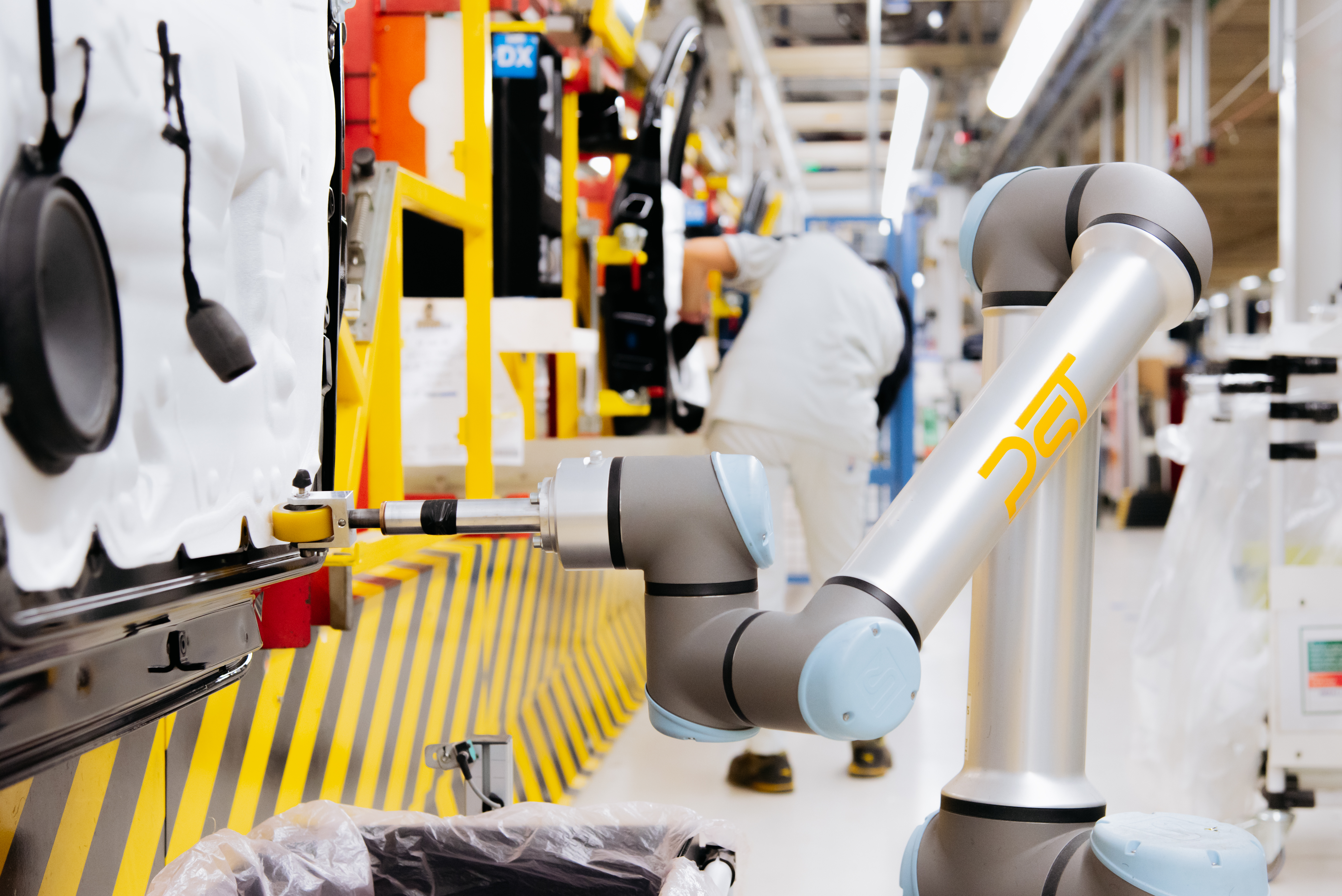
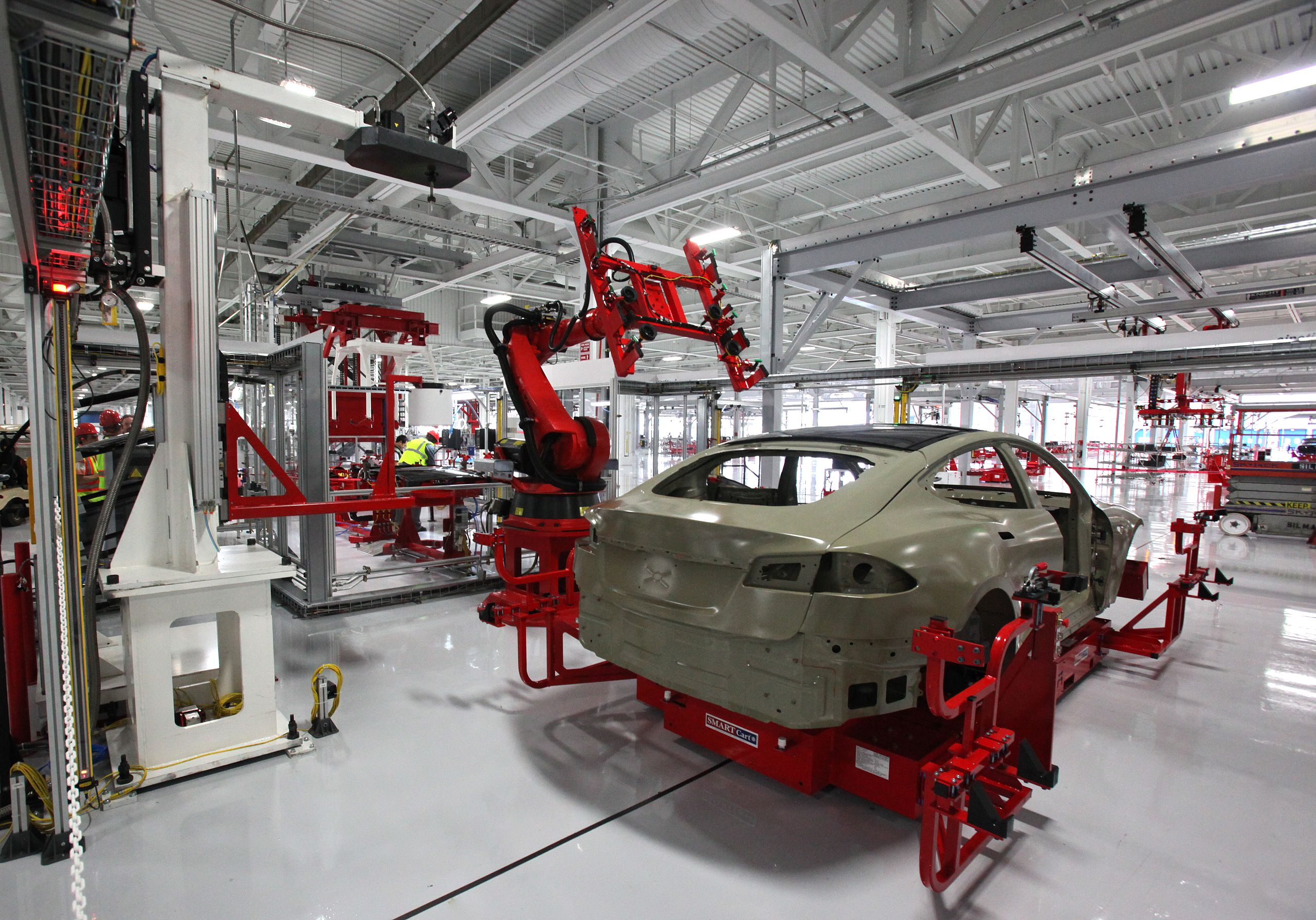
Manufacturing has shifted from centralized mass production toward flexible, digital fabrication.
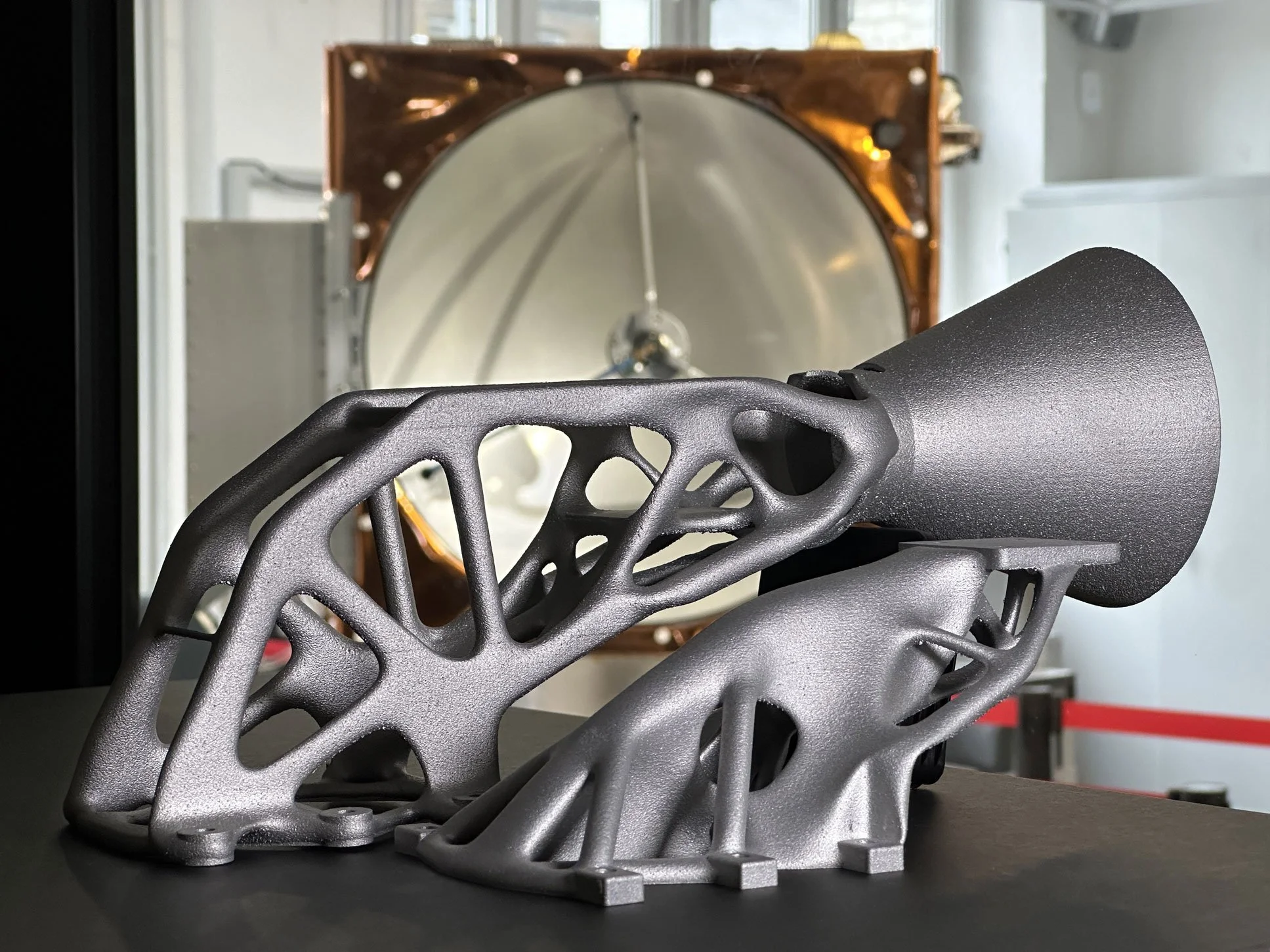
Metal and polymer 3D printing already produce aerospace parts, medical implants, and custom tools. Multi-material printers can combine conductive and structural elements in a single build. Robotic assembly systems can be reprogrammed instead of rebuilt. CNC and additive methods are now combined in hybrid machines.
What this makes possible now:
On-demand replacement parts
Custom medical devices
Rapid prototyping to finished product
Localized micro-factories
Production is turning into software plus feedstock.
Bioengineering Is Moving from Repair to Construction


Biology is becoming an engineering discipline.
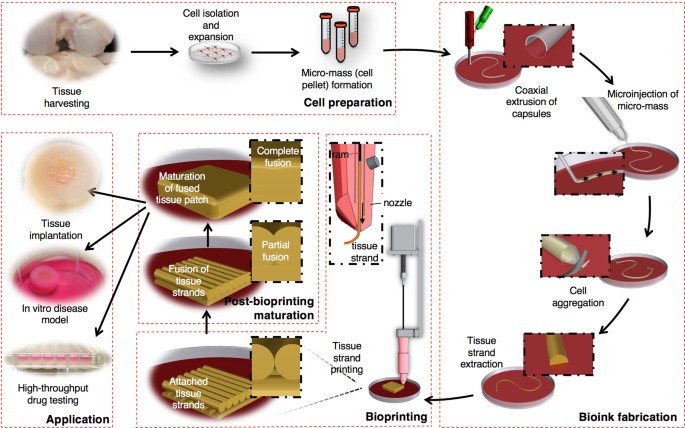
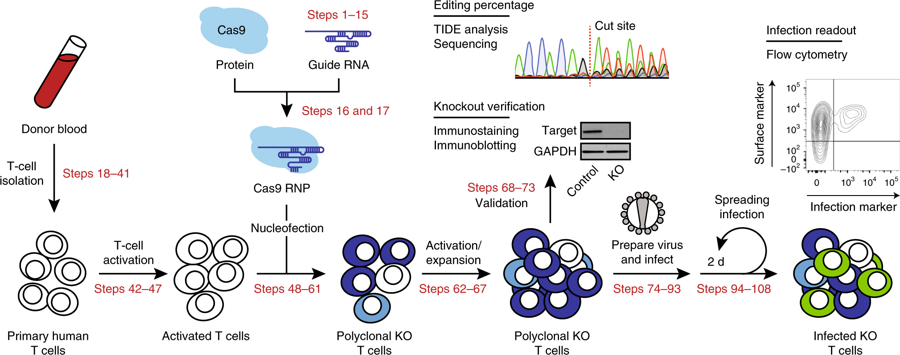
CRISPR gene editing works in controlled settings and is used in approved medical treatments. Lab-grown tissues and organoids are used for drug testing and research. Bioprinting can produce structured tissue scaffolds. Regenerative medicine therapies already repair certain injuries using stem-cell-based methods.
What this makes possible now:
Personalized medicine testing
Faster drug development
Targeted genetic therapies
Engineered tissue repair
The body is no longer treated only chemically — it is increasingly treated structurally.
AI + Materials + Automation = Capability Multipliers

Artificial intelligence is accelerating discovery itself.
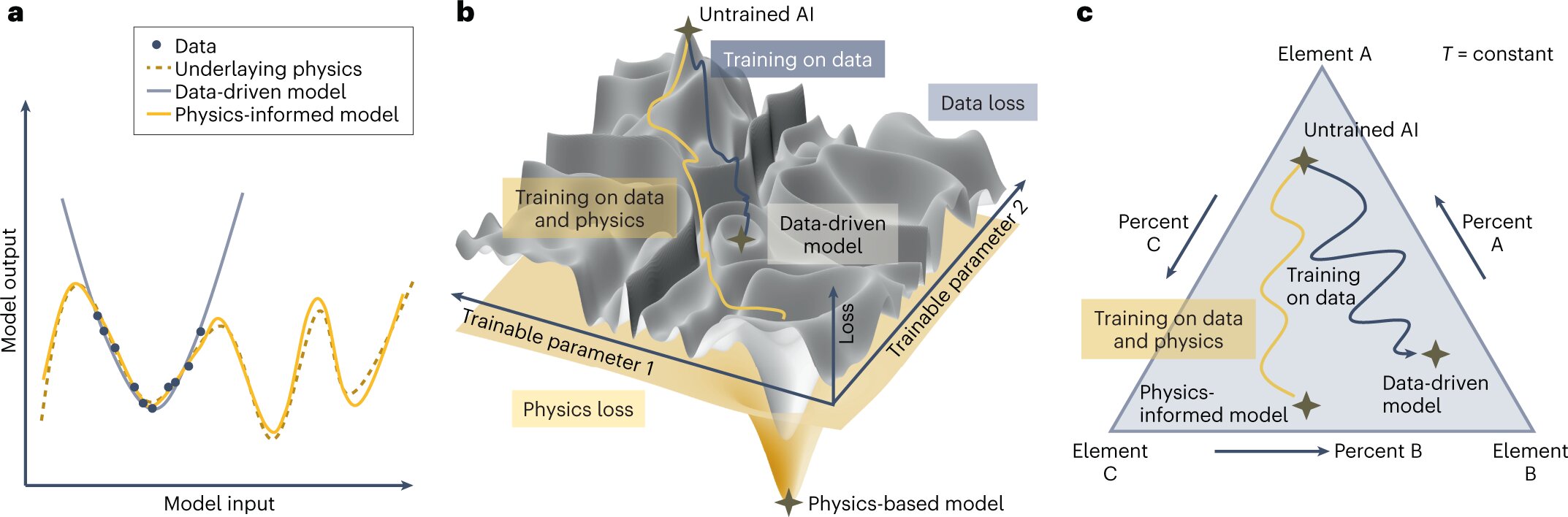
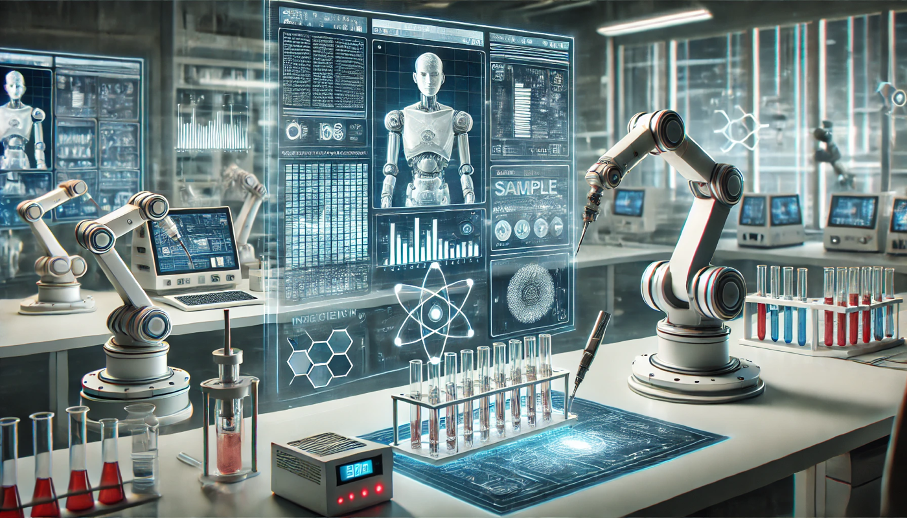
AI systems already design candidate materials, simulate molecular behavior, and generate optimized mechanical structures that humans would not intuitively draw. Digital twins — detailed virtual replicas of machines and factories — allow testing before physical construction. Automated labs run thousands of experiments with minimal human intervention.
What this makes possible now:
Faster materials discovery cycles
Optimized lightweight structures
Reduced R&D cost
Continuous design improvement
Discovery is becoming partially automated.
The Practical Horizon
None of this requires speculative physics or unknown forces. These capabilities rest on:
Known chemistry
Verified physics
Working prototypes
Measured performance
The limiting factors are manufacturing scale, reliability, economics, and regulation — not whether the effects are real.
Civilization is not running out of road. It is switching vehicles. The next phase is not just more technology — it is better matter. When materials become smarter, energy becomes denser, and manufacturing becomes digital, progress compounds.
The hill is behind us. The view ahead is built from atoms we already understand — arranged more cleverly than ever before.


Comments
Post a Comment